
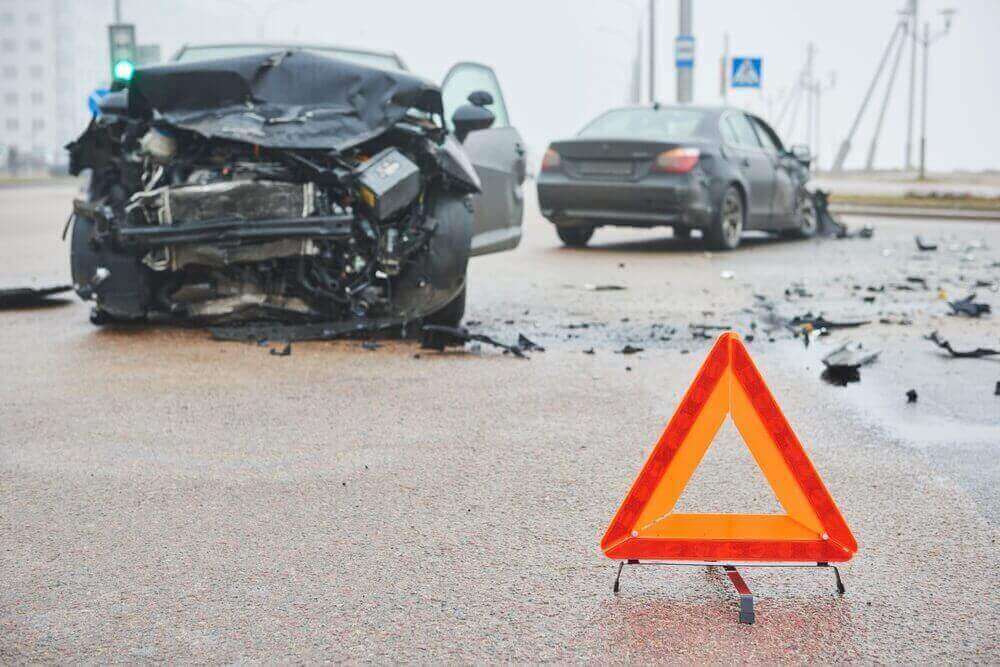
Every intersection in Scottsdale is hazardous for its own unique reasons. However, many share certain qualities that increase the risk of motor vehicle accidents, including high traffic volumes, unusual layouts, and wide lanes that make left turns especially hazardous. At Mushkatel, Gobbato, & Kile, P.L.L.C., our experienced car accident attorneys…

An Arizona car accident report contains essential information for building a strong personal injury claim. That information includes the date, time, and location of the accident scene, the names of the involved parties, the contact information for witnesses, crash details and diagrams, and other relevant observations. When pursuing compensation after…

Arizona’s dram shop law allows victims of drunk driving accidents to hold certain establishments responsible if they knowingly over-served a visibly intoxicated person or sold alcohol to someone under the legal drinking age, and the over-service led to a drunk driving accident. In other words, if you’ve suffered injuries in…

Passengers injured in Arizona car accidents generally have the right to seek compensation for their injuries. They can pursue a claim for financial relief from any at-fault party, whether it was the driver of the car they were in or another third-party driver. At Mushkatel, Gobbato, & Kile, P.L.L.C., our…
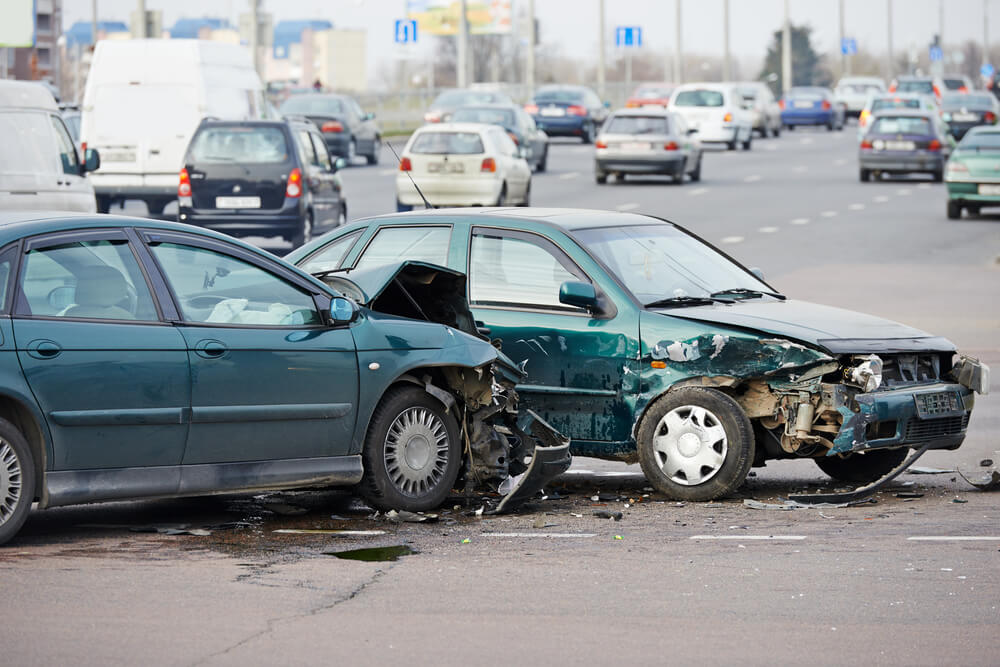
Car accidents that involve one vehicle hitting the side of another at a right angle are the most common type of fatal motor vehicle collisions in Arizona, according to the Arizona Department of Transportation’s 2019 Arizona Crash Facts Summary. T-bone accidents or side-impact collisions are particularly dangerous because the sides of a vehicle offer less protection for passengers than the front and rear of a vehicle. As…

Drivers involved in left-hand turn car accidents are routinely found to be at-fault under Arizona traffic laws. This is because drivers who are turning left must yield to oncoming traffic under Arizona law. In fact, existing right-of-way laws are written broadly to protect other motorists and make liability more likely…

Arizona does not require personal injury protection (PIP) insurance. However, Arizona insurance companies offer Medical Payments (MedPay) insurance. This type of policy is inexpensive to add to your auto insurance and can help with medical bills, deductibles, and copays. It pays regardless of fault. Were you hurt in a car…
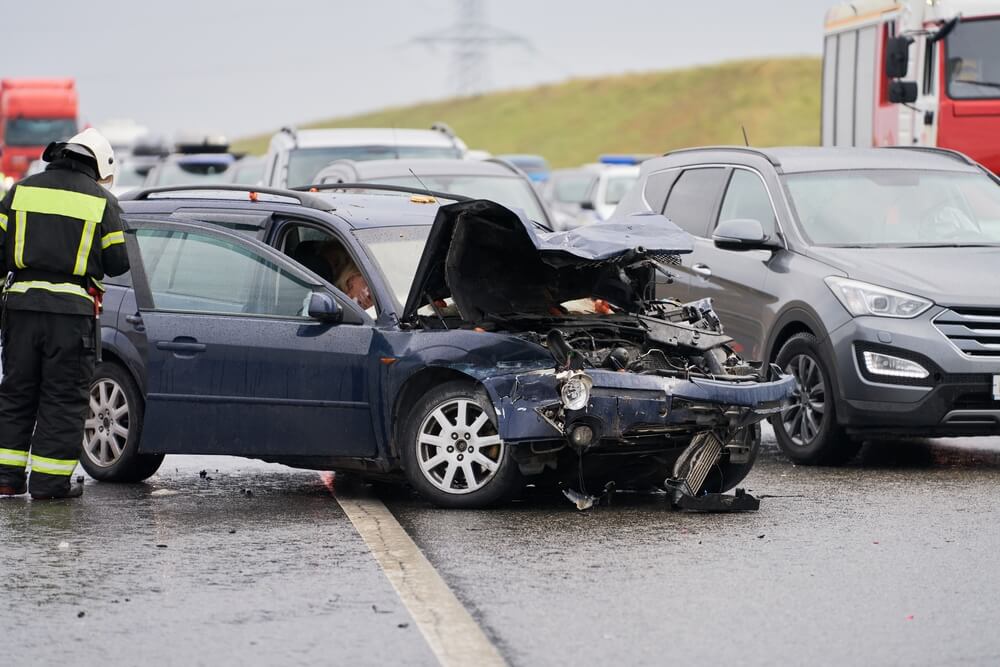
In Arizona, you typically have two years from the car accident date to file a personal injury lawsuit against the at-fault driver. Missing this deadline can mean losing your right to pursue compensation. Observing this time limit is essential for protecting your legal options after an accident. Arizona’s general statute…

After you suffer an injury in an auto accident, you may wonder who will pay your medical bills. In Arizona, you typically file a claim through the liability auto insurance policy of the driver who caused the crash, or other responsible parties, even when a medical provider or your health…
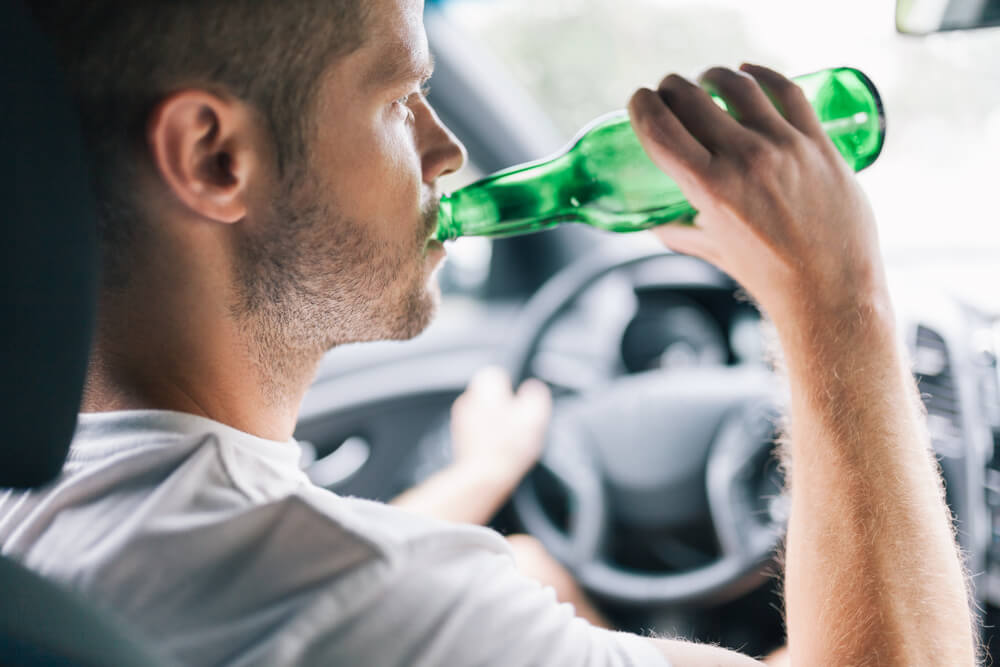
After a collision with a drunk driver, be sure to report the accident to the authorities, gather as much evidence as possible from the scene, and seek medical help – even if you think your injuries are minor. Be observant and take photos and videos of the scene, especially if…










 Site by